Filipino Chicken Adobo: Your Savory & Tangy Weeknight Staple
There are dishes that simply transcend culinary boundaries, weaving themselves into the fabric of a nation's identity and captivating palates worldwide. Filipino chicken adobo is undeniably one of them. Far more than just a meal, this iconic preparation is a symphony of savory, tangy, and garlicky notes, a comforting classic that commands attention. Whether you’re a seasoned home cook looking to expand your repertoire or simply searching for an exciting new weeknight staple, chicken adobo promises to deliver an unforgettable taste experience that pairs perfectly with a generous serving of warm, fluffy white rice.
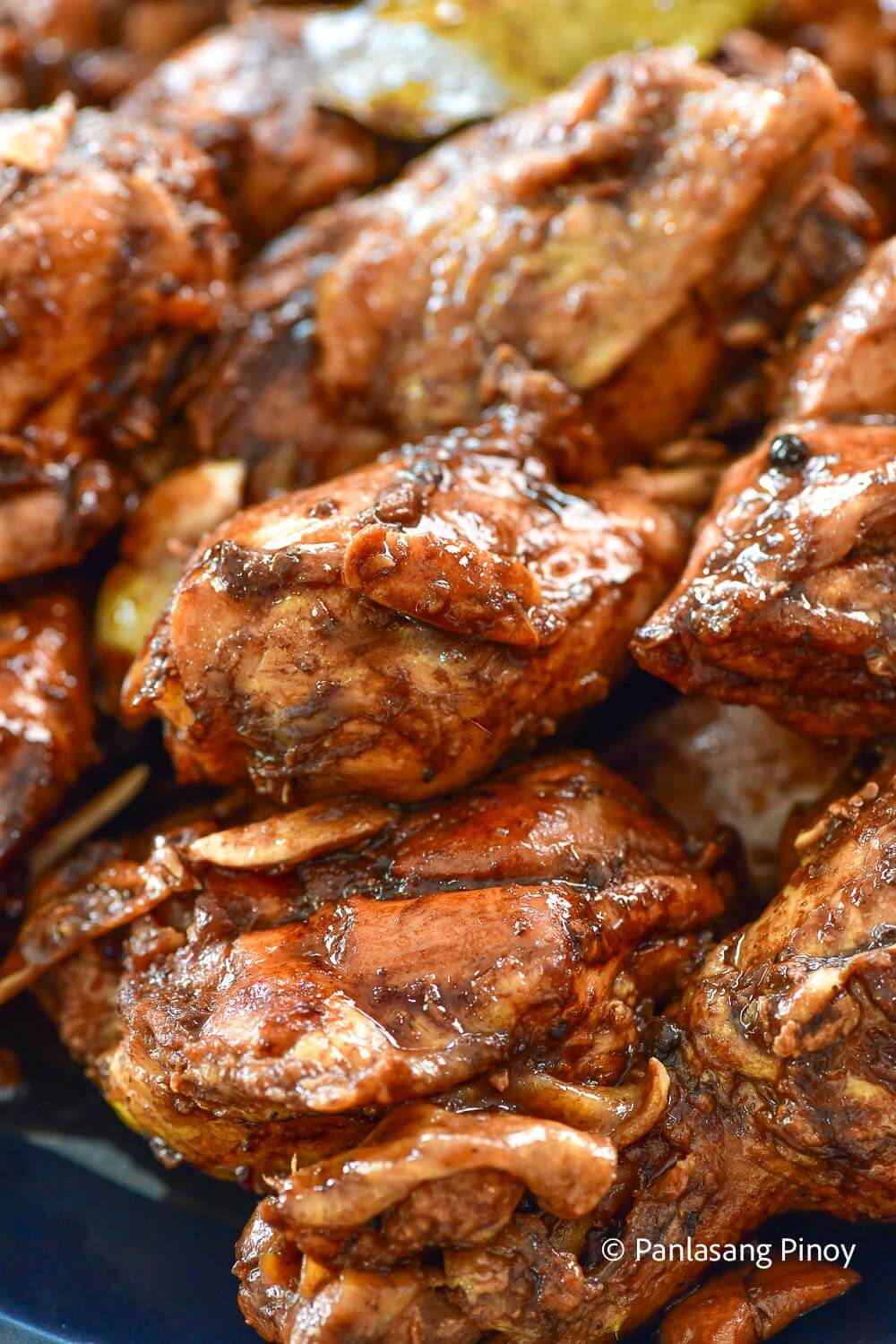
At its heart, Filipino chicken adobo is a beloved stew where succulent pieces of chicken are simmered to perfection in a rich, aromatic blend of soy sauce, vinegar, crushed garlic, bay leaves, and whole peppercorns. Its unique flavor profile is distinct and should not be confused with Mexican adobo, which uses a different set of spices and chiles. This purely Pinoy creation is a testament to the Philippines' rich culinary heritage, a dish that has evolved over centuries to become the unofficial national dish of the archipelago.
The Enduring Allure of Filipino Chicken Adobo
What makes Filipino chicken adobo such a compelling dish? Its enduring popularity stems from a combination of factors: its incredible depth of flavor, its remarkable versatility, and its humble origins rooted in practicality. For many Filipinos, adobo isn't just food; it's a taste of home, a dish passed down through generations, each family possessing their own nuanced version.
This "unofficial national dish" status isn't just for show. Chicken adobo truly embodies the spirit of Filipino cuisine – bold, comforting, and designed to be shared. From a simple weeknight dinner for the family to a celebratory feast with friends, adobo effortlessly transitions between occasions. Its rich, glossy sauce is incredibly addictive, clinging to every piece of tender chicken and begging to be soaked up by rice, mashed potatoes, or even crusty bread.
While regional variations of adobo abound—some are sweeter, others spicier, and a few even incorporate coconut milk for a creamy twist—the classic chicken adobo, with its balanced savory-tangy profile, remains the version most Filipinos grew up with and love. It’s a dish that warms the soul and satisfies the deepest cravings, a testament to the power of simple ingredients combined with masterful technique.
More Than Just a Dish: The Rich History of Adobo
To truly appreciate Filipino chicken adobo, one must understand its fascinating history, which predates Spanish colonization. The term "adobo" itself is derived from the Spanish word "adobar," meaning "to marinate." However, the method of cooking meat in vinegar and salt (or later, soy sauce) was a practice ingrained in Filipino culture long before the Spanish arrived. It wasn't just about flavor; it was a clever solution for food preservation in the tropical climate, a time when refrigeration was non-existent. The natural acidity of vinegar proved highly effective in inhibiting spoilage, making it an indispensable ingredient.
Over time, this ancient preservation technique evolved into the beloved culinary method we recognize today. The addition of soy sauce, garlic, bay leaves, and peppercorns refined the flavor profile, transforming a practical necessity into a national treasure. This historical context is vital to understanding adobo’s significance; it’s a living piece of Philippine history on a plate, reflecting indigenous ingenuity blended with colonial influence. This unique journey solidifies its place as an authentic and deeply historical dish.
It's this deep-rooted history and indigenous adaptation that truly sets Filipino adobo apart from other adobo dishes found across the globe, such as those in Puerto Rico or Mexico. While they share a linguistic connection, their culinary expressions are distinctly different, each a product of its own cultural narrative. For a deeper dive into its origins, explore Filipino Adobo: Unpacking the Philippines' Ancient National Dish.
Crafting Your Classic Weeknight Chicken Adobo: Key Ingredients & Tips
Creating your own batch of delicious chicken adobo is remarkably straightforward, relying on readily available pantry staples. The beauty lies in the simplicity of the ingredients and the transformative power of their interaction.
- Chicken: While you can use various cuts, bone-in chicken thighs are often preferred. The bones add extra flavor to the sauce, and thighs remain juicy and tender even after simmering. Skin-on pieces will also render fat, adding richness.
- Vinegar: This is the indispensable ingredient. Traditional Filipino adobo often uses cane vinegar, which has a mild, slightly sweet tang. However, white vinegar or apple cider vinegar are excellent, widely available alternatives. The vinegar not only tenderizes the chicken by breaking down its fibers but also provides that signature tangy bite.
- Soy Sauce: The other half of the iconic duo, soy sauce provides the savory, umami depth. Use a good quality regular (not light or dark) soy sauce for the best balance.
- Garlic: No Filipino adobo is complete without a generous amount of garlic. While some recipes call for minced garlic, many classic versions feature whole, smashed cloves that slowly release their aromatic oils as the dish simmers.
- Bay Leaves & Peppercorns: These aromatics are crucial for building the complex flavor profile. Bay leaves impart a subtle herbal note, while whole black peppercorns add a gentle warmth and pungency.
The Cooking Process:
Most classic chicken adobo recipes begin by browning the chicken pieces. This step is not just for color; it renders some of the fat, crisps the skin, and develops a deeper, more robust flavor through the Maillard reaction. After browning, the remaining ingredients are added, and the chicken is left to simmer gently in the fragrant liquid. The key is to allow the sauce to reduce slightly, intensifying the flavors and creating that beautiful, glossy coating.
Tips for Perfection:
- Don't Rush the Simmer: Adobo benefits from a slow, gentle simmer. This allows the chicken to become incredibly tender and for the flavors to meld beautifully.
- Taste and Adjust: Like any good home-cooked meal, adobo is personal. Taste the sauce as it simmers and adjust the balance of soy sauce and vinegar to your preference. Some prefer it tangier, others saltier.
- Ratio Matters: A common starting point for the liquid is a 1:1 ratio of soy sauce to vinegar, though many adjust this for a slightly less acidic or more savory finish.
- Ginger (Optional): While not strictly classic, a slice or two of ginger can add a fresh, aromatic kick if you enjoy it.
- Serve with Rice: Seriously, don't skip this. The sauce is designed to be spooned over and absorbed by plain white rice, creating the ultimate mouthful.
Ready to try your hand at this essential dish? For a step-by-step guide to making a fantastic version, check out our recipe on Authentic Filipino Chicken Adobo: Easy Classic Recipe.
Why Adobo Gets Better with Time (and How to Enjoy It)
One of the most magical qualities of chicken adobo is that it almost always tastes better the next day—or even a few days later! This phenomenon is common with many stews and braised dishes. As the adobo cools and then reheats, the flavors have more time to marry and deepen, becoming more integrated and complex. The vinegar and soy sauce penetrate the chicken further, and the garlic and peppercorn notes truly bloom.
Maximizing Leftover Adobo:
- Storage: Store leftover adobo in an airtight container in the refrigerator for up to 3-4 days.
- Reheating: Gently reheat on the stovetop over medium-low heat, adding a splash of water if the sauce has become too thick.
- Beyond Rice: While fantastic with rice, consider shredding leftover chicken adobo to make adobo flakes (a crispy, savory topping), using it as a filling for pandesal (Filipino bread rolls), or even incorporating it into a fried rice dish for an extra flavor boost.
This "bonus" feature makes chicken adobo an ideal meal prep candidate. Cook a large batch on Sunday, and enjoy delicious, increasingly flavorful meals throughout your busy week.
In conclusion, Filipino chicken adobo is more than just a recipe; it's a culinary legacy, a testament to ingenious food preservation, and an undeniable comfort food. Its savory, tangy, and garlicky profile makes it an irresistible addition to any dinner table, and its ease of preparation solidifies its status as a perfect weeknight staple. So, next time you're looking for a dish that's rich in flavor and history, look no further than this iconic Filipino delight. Your taste buds will thank you.
