Filipino Adobo: Unpacking the Philippines' Ancient National Dish
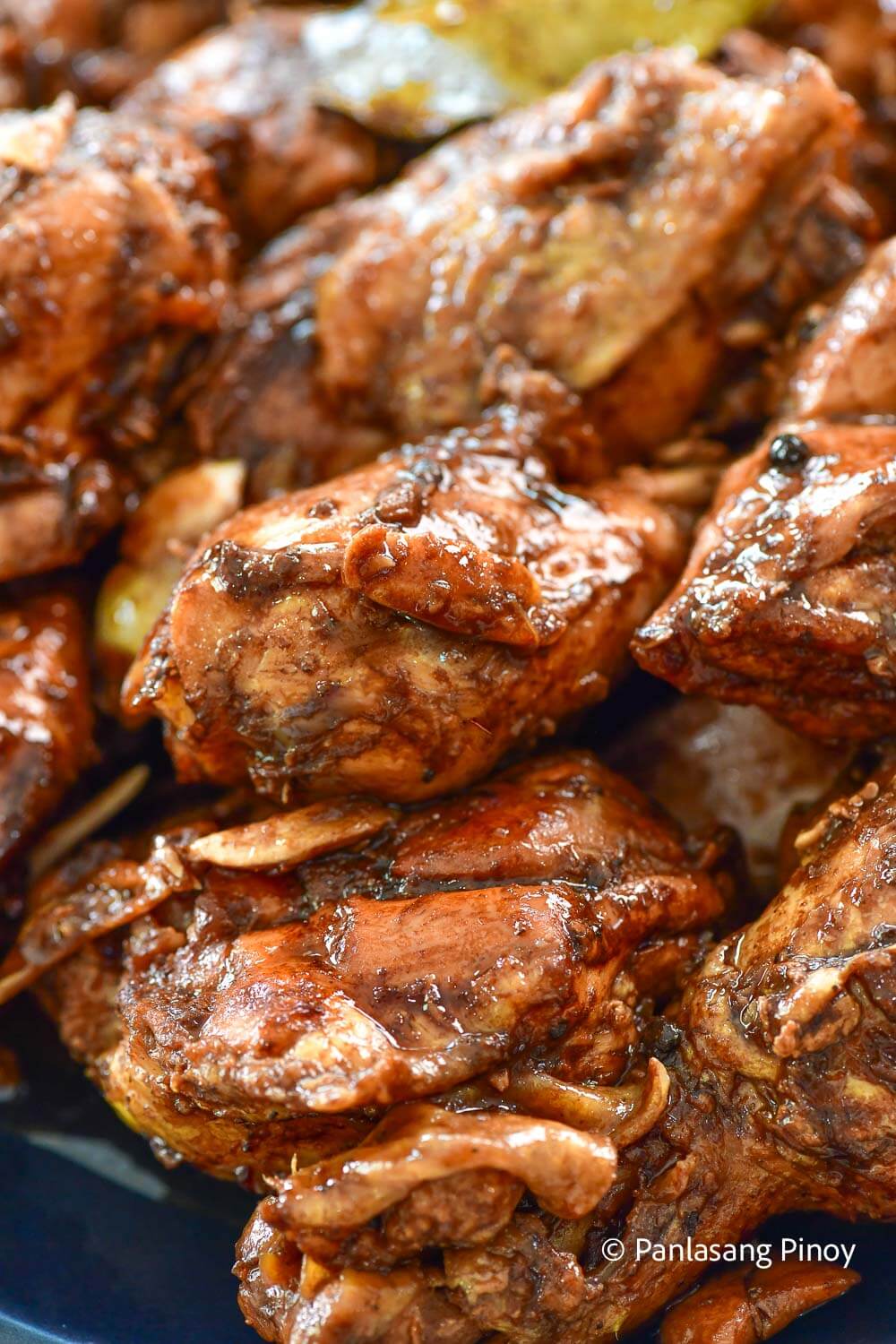
Few dishes evoke the warmth of home and the vibrant spirit of a nation quite like Filipino Adobo. This iconic stew, often featuring succulent chicken, is not merely a recipe but a culinary cornerstone deeply woven into the fabric of Philippine culture. With its distinctive savory, tangy, and garlicky profile, chicken adobo has captivated taste buds worldwide, making it a beloved comfort food for millions and a fascinating entry point into Filipino cuisine.
At its heart, classic chicken adobo is a masterful symphony of flavors achieved by simmering meat in a rich blend of soy sauce, vinegar, garlic, bay leaves, and peppercorns. It’s a dish that promises bold satisfaction, perfectly complementing a generous serving of fluffy white rice. Whether you grew up with its comforting aroma filling your kitchen or are just beginning your culinary journey through the Philippines, this national treasure is poised to win over your palate.
The Ancient Roots of Filipino Adobo: More Than Just a Dish
To truly appreciate Filipino Adobo, we must delve into its fascinating history, which predates colonial influences. While the term "Adobo" itself is derived from the Spanish word "adobar," meaning "to marinate" or "to season," the practice of cooking meat in vinegar and salt was a common and essential method for preserving food among indigenous Filipinos long before the arrival of the Spanish. In the Philippines' tropical climate, where refrigeration was nonexistent, the natural acidity of vinegar proved invaluable in extending the shelf life of meats, a testament to the ingenuity of early Filipino cooks.
This ancient preservation technique gradually evolved, incorporating other readily available ingredients and transforming from a purely practical method into a celebrated culinary art form. Over centuries, what began as a means to prevent spoilage blossomed into the complex, flavorful stew we recognize today as the unofficial national dish of the Philippines. This rich lineage underscores that Filipino Adobo is more than just a recipe; it is a historical method, a testament to resilience, and a delicious reflection of cultural adaptation.
Unpacking the Signature Flavors of Classic Chicken Adobo
The magic of Filipino chicken adobo lies in its deceptively simple yet profoundly impactful combination of pantry staples. The core ingredients—soy sauce, vinegar, garlic, bay leaves, and black peppercorns—interact to create a flavor profile that is uniquely savory, subtly sour, and deeply aromatic. This delicate balance is what sets it apart, distinguishing it clearly from its Mexican counterpart, which uses chili-based marinades.
- Vinegar: The Unsung Hero – Indigenous to the Philippines, vinegar has been used for centuries not only as a seasoning but also as a crucial preservative. In adobo, its acidity plays a dual role: it tenderizes the chicken, breaking down muscle fibers, and infuses the meat with a distinctive tangy note that brightens the entire dish. Different types of vinegar (cane, coconut, palm) can subtly alter the flavor.
- Soy Sauce: The Umami Foundation – Providing the essential savory, umami depth, soy sauce contributes to the rich brown color and salty foundation of the sauce, balancing the vinegar's tang.
- Garlic: The Aromatic Heart – Generous amounts of crushed or minced garlic are fundamental, imparting a pungent, sweet aroma and flavor that is indispensable to adobo's character.
- Bay Leaves & Peppercorns: Subtle Complexity – Bay leaves add a herbaceous, almost floral note, while whole black peppercorns contribute a gentle heat and earthy aroma, rounding out the dish's complexity without overwhelming it.
Many classic recipes, like the ones you might find in an Authentic Filipino Chicken Adobo: Easy Classic Recipe, often call for bone-in chicken thighs. The bones contribute additional flavor and moisture to the braising liquid, resulting in incredibly juicy and tender chicken that simply melts in your mouth. The resulting sauce is not just a condiment; it's a flavorful elixir meant to be savored with every bite.
A Culinary Canvas: The Myriad Faces of Filipino Adobo
Despite its classic form, Adobo is celebrated for its incredible versatility. It's truly a "method" more than a rigid "recipe," allowing for countless interpretations across the Philippines. This adaptability is one of the primary reasons chicken adobo maintains its status as an unofficial national dish – every Filipino family, every town, every region, seems to have its own beloved rendition.
While the foundational ingredients remain consistent, regional and familial preferences introduce delightful variations:
- Adobo sa Gata: Incorporating coconut milk for a richer, creamier, and often slightly sweeter profile.
- Adobong Puti: A "white adobo" using salt instead of soy sauce, resulting in a cleaner, tangier taste.
- Adobong Matamis: A sweeter version, often with a touch of sugar or even pineapple.
- Spicy Adobo: Enhanced with chili peppers or bird's eye chilies for those who enjoy a fiery kick.
- Adobong may Luya: Some versions include ginger, adding a warm, pungent undertone.
Beyond chicken, the adobo method can be applied to almost any protein – pork, beef, seafood, and even vegetables. This flexibility makes it a practical and cherished meal, effortlessly transitioning from a simple weeknight dinner to a hearty weekend feast with friends. The beauty of Filipino chicken adobo is that while the core essence remains, each version tells a unique story of local ingredients and family traditions.
Mastering Chicken Adobo at Home: Tips for a Perfect Pot
Preparing chicken adobo at home is surprisingly straightforward, making it an ideal dish for both novice and experienced cooks. The process typically begins with browning the chicken pieces, which helps develop a deeper flavor and beautiful caramelization before they are simmered in the iconic adobo liquid. This initial step is crucial for achieving that rich, savory foundation.
Here are some tips to elevate your homemade adobo:
- Choose Your Cut Wisely: Bone-in, skin-on chicken thighs are often recommended for the most flavorful and tender results. The skin crisps up during browning and the bones add depth to the sauce.
- Don't Rush the Simmer: The magic happens during the slow simmer. Allow the chicken to gently cook in the sauce, absorbing all the flavors. The sauce will also reduce and thicken, intensifying its taste.
- Balance is Key: Taste your sauce as it simmers. If you prefer more tang, a splash more vinegar. For more umami, a touch more soy sauce. Remember, the flavors will concentrate as it cooks.
- The Secret of Leftovers: Like many stews, adobo famously tastes even better the next day. The flavors meld and deepen overnight, making it a perfect make-ahead meal for busy schedules. Don't be surprised if your leftovers disappear even faster than the freshly cooked dish!
- Serving Suggestions: While steamed white rice is the traditional accompaniment, perfectly soaking up every drop of the delicious, saucy goodness, Filipino chicken adobo also pairs wonderfully with mashed potatoes or even crusty bread.
Embracing the simplicity and versatility of this dish can turn your kitchen into a hub of authentic Filipino flavors. For more practical advice on making this delicious staple part of your regular menu, explore resources like Filipino Chicken Adobo: Your Savory & Tangy Weeknight Staple.
In conclusion, Filipino Adobo, particularly its beloved chicken rendition, is far more than just a meal. It's a journey through history, a celebration of diverse regional flavors, and a comforting taste of home for millions. Its enduring popularity lies in its robust flavor, ease of preparation, and remarkable adaptability, making it a dish that truly embodies the heart and soul of Filipino cuisine. Whether you're exploring its ancient roots or perfecting your own family recipe, chicken adobo offers a profoundly satisfying culinary experience that promises to keep you coming back for more.
