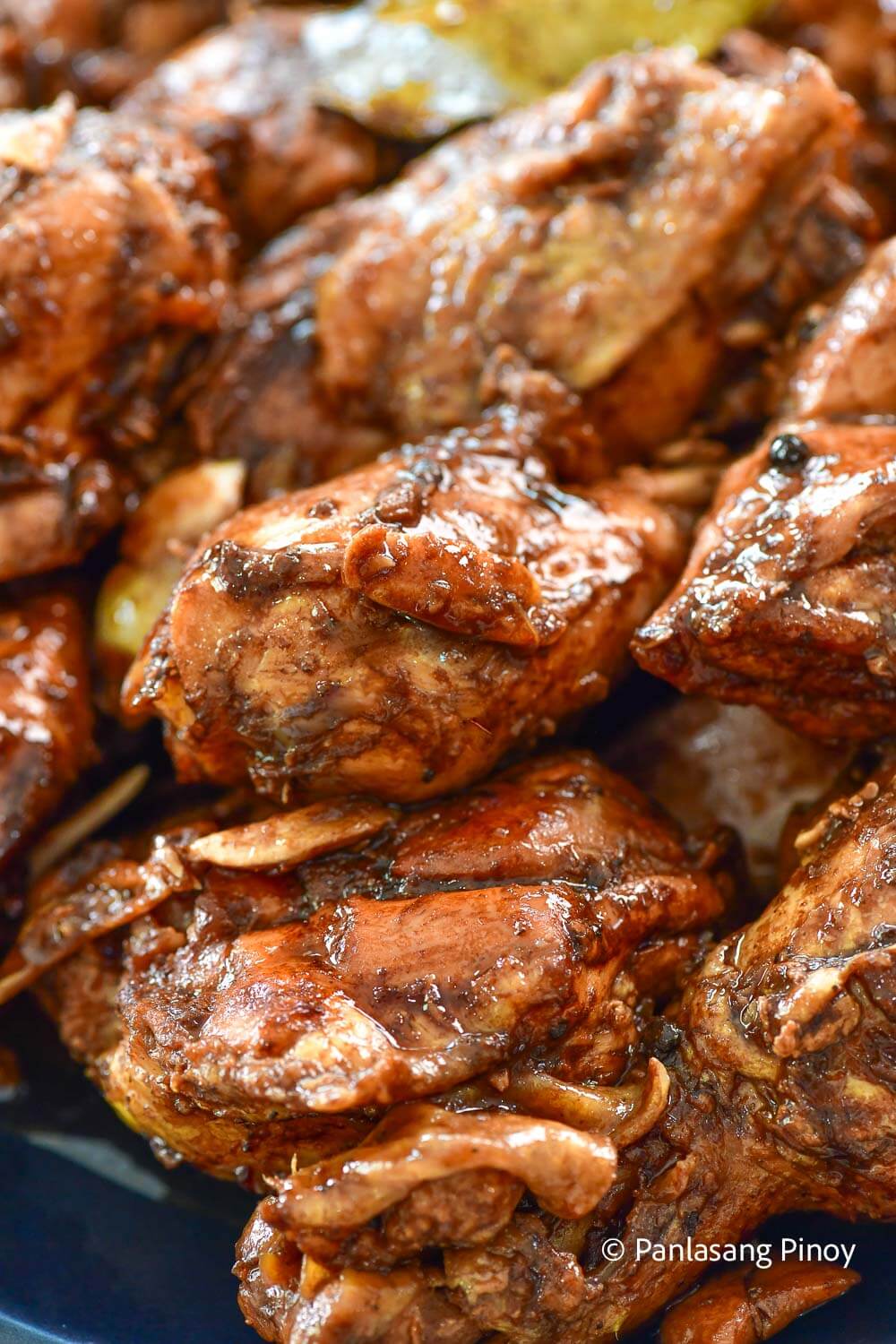
Authentic Filipino Chicken Adobo: Easy Classic Recipe for a Taste of the Philippines
Filipino Chicken Adobo is more than just a dish; it's a culinary emblem, a national treasure, and an undeniable comfort food that has captured hearts and palates worldwide. Revered as the unofficial national dish of the Philippines, this iconic stew promises a symphony of flavors – savory, subtly tangy, deeply garlicky, and rich with umami. Whether you're a seasoned enthusiast of Filipino cuisine or embarking on your first delicious journey into its vibrant flavors, this classic chicken adobo recipe is guaranteed to become a cherished addition to your kitchen repertoire.
The Irresistible Allure of Chicken Adobo: Flavor Profile & Key Ingredients
At its heart, Filipino chicken adobo is a masterclass in balance, demonstrating how a handful of simple, readily available ingredients can create an explosion of complex flavors. The primary elements of this beloved stew are bone-in chicken, simmered to fork-tenderness in a distinctive braising liquid.
The signature taste of chicken adobo comes from its robust flavor profile: a harmonious blend of the saltiness and umami provided by
soy sauce, the bright, cutting tang of
vinegar, the pungent warmth of abundant
garlic, the subtle peppery notes from whole
black peppercorns, and the aromatic depth of
bay leaves. Each ingredient plays a crucial role:
*
Chicken: While various cuts can be used, bone-in, skin-on chicken thighs are often preferred for their rich flavor and ability to remain incredibly juicy and tender during the simmering process. The bones contribute a natural depth to the sauce.
*
Soy Sauce: The backbone of adobo's savory character, soy sauce provides essential saltiness and a rich umami foundation. Its dark hue also gives the dish its characteristic color.
*
Vinegar: This is arguably the most indispensable ingredient. Filipino vinegar (like cane vinegar) is traditional, but white vinegar or even apple cider vinegar can be excellent substitutes. The vinegar's acidity is not just for flavor; it also tenderizes the chicken beautifully and played a historical role in preserving food before refrigeration.
*
Garlic: No adobo is complete without a generous amount of garlic. Crushed or minced, it infuses the entire dish with its aromatic, savory goodness.
*
Bay Leaves: These unassuming leaves release a subtle, almost sweet, herbaceous aroma that adds a layer of sophistication to the stew.
*
Black Peppercorns: Whole peppercorns are typically used, releasing a gentle heat and earthy flavor that complements the other ingredients without overpowering them.
The resulting sauce is a savory, sour-salty delight that perfectly coats every piece of tender chicken. This unique combination makes chicken adobo utterly distinctive and deliciously addictive, especially when paired with a mountain of warm, fluffy white rice.
More Than Just a Dish: The History and Cultural Significance of Adobo
To truly appreciate chicken adobo, one must understand its profound historical and cultural roots. The term "adobo" itself is often misunderstood. While it derives from the Spanish word "adobar," meaning "to marinate," the Filipino practice of cooking meat in vinegar and salt (or later, soy sauce) predates Spanish colonization. This ancient method was a genius solution for food preservation in the tropical climate of the Philippines, long before the advent of refrigeration. Locals were already using vinegar to extend the shelf life of various meats and seafood.
Over centuries, this indigenous preservation technique evolved into the rich, flavorful stews we recognize today. The Spanish influence may have lent its name, but the essence of adobo is purely Pinoy. This deep history makes adobo one of the country's oldest and most significant culinary traditions.
The versatility of adobo is legendary, mirroring the diverse culinary landscape of the Philippines itself. There isn't just one "true" adobo; there are countless regional and family variations. Some versions might be sweeter, others spicier with chilis, some incorporate coconut milk for a creamy richness, while others might feature different proteins like pork, beef, or even seafood and vegetables. However, the classic chicken adobo, with its iconic blend of soy sauce, vinegar, and garlic, is the version many Filipinos grew up with and consider the quintessential representation.
This dish isn't just a recipe; it's a method, a symbol of Filipino heritage, and a testament to ingenuity. Its ease of preparation and reliance on pantry staples have cemented its place as a weeknight staple in countless homes across the archipelago and around the globe. For a deeper dive into its rich heritage, explore
Filipino Adobo: Unpacking the Philippines' Ancient National Dish.
Crafting Your Own Classic Chicken Adobo: A Step-by-Step Guide & Pro Tips
Making authentic chicken adobo is surprisingly straightforward, making it an ideal dish for home cooks of all skill levels. Here’s a general guide to help you achieve that perfect balance of savory and tangy, along with some invaluable tips.
The Basic Method:
1.
Brown the Chicken: Start by browning bone-in, skin-on chicken pieces (thighs are highly recommended) in a hot pot or Dutch oven. This step is crucial as it renders some fat, crisps the skin, and develops a deeper, more complex flavor through caramelization.
2.
Sauté Garlic: Once the chicken is browned and set aside, sauté a generous amount of crushed or minced garlic in the rendered chicken fat until fragrant.
3.
Add Liquids and Aromatics: Return the chicken to the pot. Pour in the soy sauce and vinegar. Add whole black peppercorns and bay leaves.
4.
Simmer: Bring the mixture to a gentle simmer, then reduce the heat to low, cover, and let it braise slowly. This slow simmering allows the chicken to become incredibly tender and absorbs all the wonderful flavors of the sauce. The acid in the vinegar also works its magic, breaking down the chicken fibers.
5.
Reduce and Thicken (Optional): Once the chicken is cooked through, you can remove the lid and allow the sauce to reduce further, concentrating its flavors and thickening slightly to your desired consistency. Some prefer it saucier, while others like a thicker, more concentrated gravy.
Pro Tips for the Best Chicken Adobo:
*
Don't Stir the Vinegar Too Soon: When you first add the vinegar, resist the urge to stir immediately. Allow it to come to a simmer and cook off its initial raw acidity for a few minutes before stirring. This prevents a harsh, overly sour taste.
*
Quality Ingredients Matter: While simple, the quality of your soy sauce and vinegar can significantly impact the final taste. Experiment with different brands to find your preference.
*
Be Generous with Garlic: Adobo loves garlic! Don't hold back; the more garlic, the more fragrant and flavorful your dish will be.
*
Low and Slow is Key: Patience is a virtue when making adobo. A slow, gentle simmer is essential for tender chicken and for the flavors to meld beautifully.
*
Balance the Flavors: Taste as you go. If you find it too tangy, a pinch of sugar can help balance the acidity. If it needs more depth, a splash more soy sauce might be in order.
*
Resting Time: Like many stews, chicken adobo often tastes even better after resting for a few hours, or ideally, the next day. The flavors deepen and marry wonderfully. This makes it an excellent make-ahead meal!
Discover more weeknight meal ideas and delve deeper into its practical appeal with
Filipino Chicken Adobo: Your Savory & Tangy Weeknight Staple.
Why Chicken Adobo Reigns Supreme: Versatility, Leftovers, and Serving Suggestions
One of the enduring charms of chicken adobo is its incredible versatility and universal appeal. It's a dish that effortlessly transitions from a humble weeknight family meal to a show-stopping centerpiece for a dinner party with friends. Its ease of cooking, combined with the use of everyday pantry staples, makes it an accessible and reliable option for any occasion.
The magic of adobo extends to its leftovers, which are often cited as being even better than the freshly cooked dish. The resting period allows the flavors to truly meld and deepen, resulting in an even more intensely flavorful experience the next day. This quality makes chicken adobo a fantastic option for meal prepping, ensuring delicious meals throughout the week.
When it comes to serving, there's one classic pairing that stands above all others: hot, steamed white rice. The fluffy grains absorb the rich, tangy, garlicky sauce beautifully, creating a perfect textural and flavor contrast. Beyond rice, adobo is also wonderful with:
*
Mashed Potatoes: Another excellent vehicle for soaking up the delicious sauce.
*
Steamed Vegetables: A simple side of blanched green beans, broccoli, or bok choy can offer a refreshing counterpoint to the rich chicken.
*
Crusty Bread: For those who enjoy dipping and savoring every last drop of the luscious sauce.
Ultimately, chicken adobo is more than just food; it's a connection to Filipino culture, history, and the warmth of home cooking. It's a dish that tells a story with every savory, tangy bite.
Experience the Legacy of Filipino Chicken Adobo
From its ancient origins as a preservation method to its modern status as an international culinary superstar, Filipino chicken adobo stands as a testament to the power of simple ingredients creating extraordinary flavor. Its savory, tangy, and garlicky profile, combined with incredibly tender chicken, makes it an irresistible dish that truly embodies comfort and tradition. Whether you're cooking it for the first time or revisiting a beloved classic, this authentic chicken adobo recipe invites you to savor a taste of the Philippines and create new culinary memories. Get ready to fall in love with this iconic, easy-to-make classic – your taste buds will thank you!